Autumn, reconsidered
Unusual autumn escapes across Britain, for people bored of the usual foliage photo
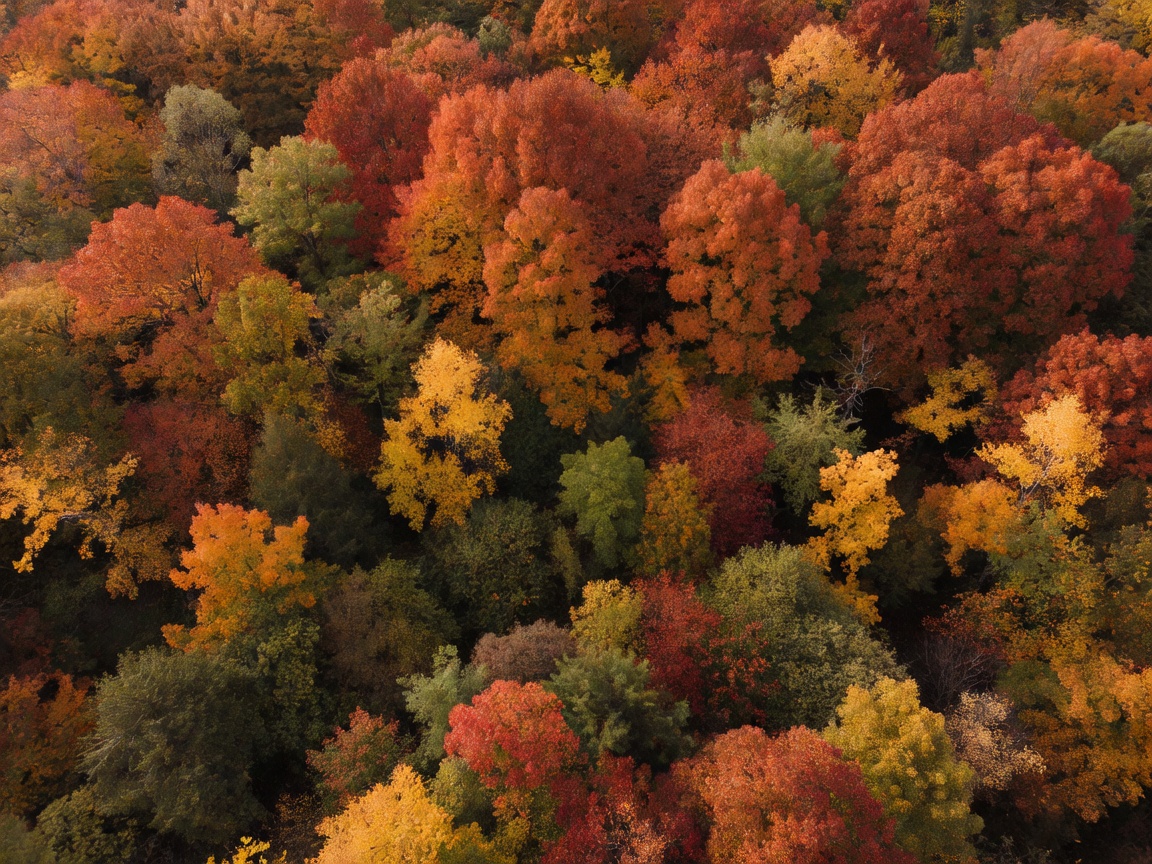
This guide covers five specific places to spend an autumn day or weekend in Britain: a fungus-rich forest, a mountain range mid-rut, a landscaped garden built for exactly this season, an ancient stunted wood, and a wetland that fills with birds arriving from much colder places. Nobody here is going to tell you where to buy a flat white.
The New Forest's fungi season
Hampshire's ancient pasture-woodland turns into one of the densest fungal fruiting grounds in Western Europe every autumn, from fly agaric to a long list of edible boletes, with byelaws that spell out exactly how much you're allowed to take home.
Read the guide → 02The Cairngorms during the rut
Red deer stags spend late September roaring at each other across Britain's largest national park. It is loud, it is entirely hormonal, and you can watch it from a sensible distance for nothing.
Read the guide → 03Sheffield Park's built-for-autumn garden
A Capability Brown landscape that a later owner deliberately overplanted with maples and swamp cypress so its lakes would double every colour hanging above them. It was designed for this exact month.
Read the guide → 04Wistman's Wood, Dartmoor
A high-altitude oakwood of trees that never got the memo about growing tall, wrapped in moss thick enough to swallow sound. One of only three woods like it left on the moor.
Read the guide → 05The Norfolk Broads in migration season
Thousands of pink-footed geese arrive from Iceland and Svalbard to spend the winter on a wetland that used to be a medieval peat quarry. The noise at dusk is the entire point.
Read the guide →Why these five and not, say, a vineyard tour
Most "autumn escape" lists rotate the same handful of arboretums and a photo of someone holding a pumpkin-spice cup near a hay bale. That's a fine way to spend a Saturday, but it isn't especially interesting to read about twice. The five places here were chosen because each one does something structurally specific in autumn — a fruiting event, a rutting season, a designed colour scheme, an exposed high-altitude ecosystem, a migration — rather than simply looking pleasant in low light.
None of them require specialist kit beyond decent boots, and none of them are secret; several are run by organisations that would rather you visited responsibly than not at all. Each guide below sets out what's actually happening, when to go, how to get there without a car if that matters to you, and what it's reasonable to expect once you arrive.